The Atlantic Salmon: A species in crisis
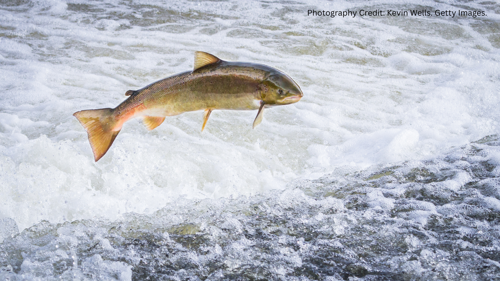
The wild Atlantic salmon. An iconic image synonymous with the wilds of Scotland and our cultural heritage. This flagship species has seen huge declines of around 70% across the North Atlantic, and by 2023 it was listed as Endangered by the International Union for the Conservation of Nature (IUCN). Whilst more work must be done to protect Atlantic salmon in their marine environment, this will be a challenging multinational endeavour. It has been reaffirmed that the restoration of river catchments to allow young salmon to head to the ocean in the best condition allows them far better chances of returning home as adults.
The life cycle of the Atlantic Salmon
The unique life cycle of the Atlantic salmon has two distinct parts. A new generation begins when adults return from the ocean to spawn in the very section of river they spawned from. The young fish spend an average of two or three years in their river before migrating downstream and into the expanse of the ocean. Here, they undergo the marathon migration to their feeding grounds and after one or two years at sea they return to their native river. Having both a healthy freshwater river and ocean environment is essential for the survival of this iconic species.
Over recent decades, the number of adult salmon returning to Scottish rivers has dropped dramatically. In the 1960s and 70s from every 100 smolts going to sea roughly 25 fish would make it back to our coasts; now the number is scarily low, with only two or three fish returning. The main factor causing this massive increase in marine mortality has been shown to be climate change and the effects that has had on the complex water circulation and currents in the North Atlantic, which has led to reduced availability of food for the salmon to survive on.
What can we do?
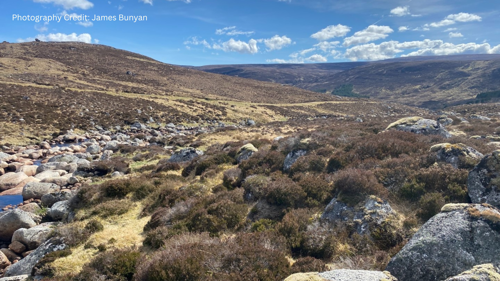
It is beyond our capabilities as an organisation to fix what is happening in the ocean environment, so we need to turn our attention to the things we can do –protecting and enhancing the freshwater environment to ensure as many fit and healthy smolts find their way successfully to the ocean. However, the environment of the rivers that support salmon also includes the surrounding countryside and, if we are to be successful, we must also address issues on the land that the water flows through.
Salmon are an incredibly important part of our native biodiversity and it is up to us to try and help where we can by protecting the freshwater habitats they require for survival. A core objective of the Crom-Shed is to improve the water quality and increase aquatic productivity of the rivers flowing into the Cromarty Firth, where the young salmon hatch and feed in their first few years. With our catchment-scale restoration approach to combine research, restoration and education, we can provide this critical species with the best chance of survival with cool, clean headwaters and a resilient landscape that maximises their feeding and growth. By trapping pollutants, reducing erosion, mitigating heavy rainfall, improving drought resilience, reducing thermal stress and reconnecting habitat corridors (to name a few!), we can significantly support our keystone species and bolster the Cromarty Firth catchment. This ambitious approach is essential and without it we will continue to see our biodiversity continue to decline and our ability to counter climate change will follow.
Partnerships Matter:
Alongside this, the Crom-Shed recognises the major issues on the River Conon with regard to hydro dams and fish access. It is our intention to work with the landowners, the District Salmon Fishery Board and SSE to help improve spawning grounds and to enhance smolt passage, which have been identified as major problems.